Achieving Excellence in Marine Construction: Engineering and Building Premier Seawalls, Docks, and Boat Lifts
Marine construction requires a nuanced understanding of numerous key components. Material choices, environmental factors, and regulatory requirements are all essential considerations. Successful projects depend on ensuring structural integrity and mitigating corrosion. Innovative approaches are emerging, but challenges remain. How can builders effectively integrate sustainability while maintaining functionality? The answers could redefine industry standards.
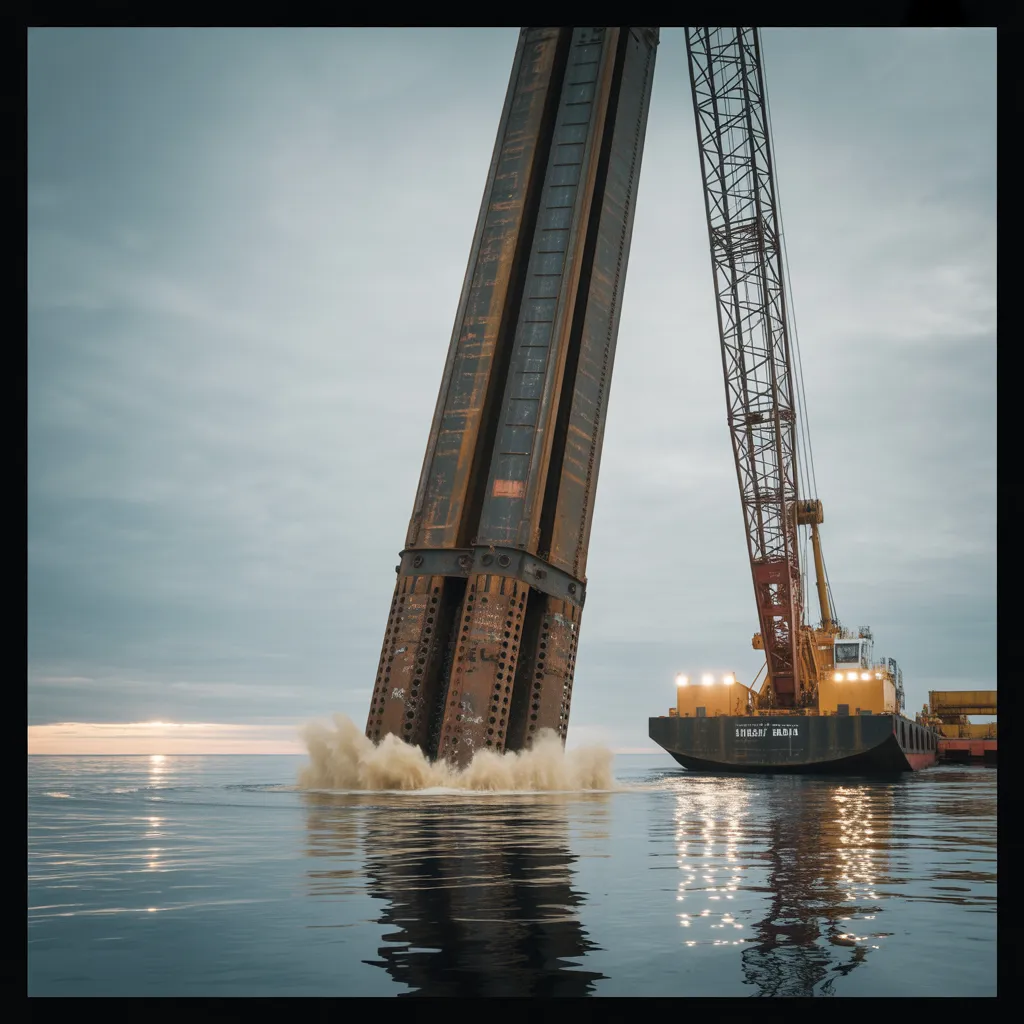
Examining Ocean Environments: Critical Considerations to Evaluate
Marine surroundings pose unique obstacles and considerations for construction initiatives. Elements including tidal fluctuations, wave activity, and water currents significantly affect design and installation procedures. The salinity of seawater can lead to accelerated corrosion of materials, necessitating careful selection of construction techniques and protective measures. Furthermore, sediment displacement and erosion may compromise the integrity of structures such as docks and seawalls, necessitating comprehensive site evaluations before construction begins.
Environmental rules are also crucial, requiring compliance with standards designed to protect marine ecosystems. This requires evaluating nearby wildlife habitats and water conditions during the planning stages. Furthermore, accessibility for construction equipment and personnel may be challenging in aquatic environments, adding complexity to carrying out construction projects. In summary, recognizing these critical considerations is critical to achieving successful marine construction outcomes, making certain that built structures are structurally sound, long-lasting, and environmentally responsible.
What Materials Should You Choose for Docks and Seawalls?
Choosing the appropriate options for see guide docks and seawalls is vital for guaranteeing long-term performance and reliability. Numerous alternatives can be found, each with unique strengths and potential weaknesses. Furthermore, environmental considerations play a significant role in choosing eco-friendly materials while maintaining structural strength.
Best Material Options
When choosing the right materials for docks and seawalls, one must consider factors such as longevity, ecological considerations, and upkeep demands. Popular options include pressure-treated wood, which delivers a traditional aesthetic yet may necessitate frequent care. Concrete is favored for its strength and longevity, rendering it perfect for significant loads and challenging conditions. Vinyl and composite options offer an easy-care option, resistant to rot and corrosion, although initial costs may be higher. Steel, notably galvanized or marine-rated varieties, is robust and suitable for industrial applications, although it demands protective finishes to guard against oxidation. At its core, the best material choice relies on specific site conditions, intended use, and budget, guaranteeing performance and durability in aquatic settings.
Environmental Aspects
As environmental factors serve a critical function in the choice of materials for marine structures and seawalls, the impact on local ecosystems must not be underestimated. Sustainable materials like recycled plastics, treated wood, and natural stone often stand out as beneficial selections. These materials not only limit ecological interference but also strengthen longevity in challenging coastal conditions. For instance, incorporating permeable surfaces can limit runoff while improving water quality. Additionally, selecting non-toxic finishes and treatments helps protect aquatic life. It is critically important to assess the specific environmental context, including regional vegetation and animal life, before making material selections. By focusing on sustainable alternatives, marine construction can align with ecological principles, ensuring that construction benefits rather than damages the neighboring environment.
Key Regulations and Permits for Marine Construction
Within the marine construction industry, familiarizing yourself with critical regulations and permits is crucial for successful project execution. Regional zoning ordinances govern the permissible locations for docks and seawalls, while environmental impact assessments assess possible effects on the surrounding ecosystem. Working through the permitting process is critical to maintain conformity with all regulatory obligations.
Local Zoning Regulations
Local zoning regulations play an essential role in the marine construction industry, particularly in the design and installation of marine structures such as docks and seawalls. Such regulations govern land use, establishing where and how marine structures can be erected. Following local zoning regulations confirms that development is in line with community goals, the protection of the environment, and property development guidelines. Particular permits are frequently necessary, which may involve submitting detailed plans for review by local authorities. Zoning laws frequently address matters including setback requirements, structure height, and property boundaries. Non-compliance with these laws can lead to consequences such as fines or the removal of unauthorized structures. As a result, being knowledgeable about local zoning regulations is critical for the success of marine construction endeavors.
Environmental Impact Evaluations
Environmental Impact Evaluations (EIAs) serve as vital parts in the marine building process, especially for initiatives that include docks and seawalls. These assessments evaluate the possible ecological consequences of proposed construction activities on surrounding ecosystems, aquatic conditions, and animal habitats. Government authorities frequently mandate EIAs to guarantee compliance with environmental laws and standards. The process typically involves accumulating data on present circumstances, stakeholder consultations, and identifying mitigation strategies for any adverse impacts. EIAs play an essential role in encouraging eco-friendly approaches in coastal development, directing builders toward well-considered choices that correspond with ecological preservation goals. Through emphasizing environmental factors, EIAs assist in harmonizing construction demands with the protection of aquatic ecosystems.
Permit Application Process
Navigating the permit application process for coastal construction demands close adherence to key regulations and permits that govern such undertakings. This process typically involves securing authorization from municipal, state, and federal bodies, guaranteeing adherence to environmental regulations and zoning laws. Applicants must provide thorough plans and paperwork, including site assessments and potential environmental impacts. Critical authorizations commonly involve those from the U.S. Army Corps of Engineers, regional environmental authorities, and local planning boards. Schedules may differ, so timely outreach to regulatory authorities is essential for streamlining the approval process. Moreover, stakeholder engagement may be needed, enabling community members to express their views. Successfully maneuvering this complex landscape is necessary for any waterway construction endeavor to advance in a lawful and effective manner.
Design Principles for Durable and Aesthetic Marine Structures
Constructing marine structures that are both durable and aesthetically pleasing requires thoughtful attention to design fundamentals. To begin, materials must be selected based on their ability to withstand demanding marine conditions, such as rust-proof metals and specially treated timber. Maintaining structural integrity is essential; designs should incorporate proper load distribution to resist the dynamic forces of tidal movements and currents.
Additionally, visual appeal plays a crucial role in the total visual impact of nautical constructions. Blending natural features, like vegetation and color combinations that harmonize with the surrounding landscape, improves aesthetic cohesion.
In addition, functionality must not be neglected; designs should promote straightforward access and use while prioritizing user safety.
Lastly, environmentally responsible approaches must be embedded within the design framework, utilizing eco-friendly materials and minimizing environmental impact. By balancing durability with aesthetic appeal, ocean construction endeavors can accomplish enduring results and visual appeal, effectively serving both practical and environmental needs.
Key Best Practices for Marine Structure Installation
Correctly installing marine structures necessitates following a set of best practices that secure both functionality and long-term performance. First, thorough site assessments are essential, including soil testing and hydrological studies, to inform design choices. Precise measurements and proper alignment throughout construction help avoid structural problems and improve stability. Employing premium materials that resist corrosion and marine wear is essential for long-lasting performance.
Additionally, employing qualified specialists confirms that the setup complies with applicable regulations and safety guidelines. Proper anchoring systems are required to withstand natural forces, such as wave forces and water flow.
In addition, timely assessments during and after installation help identify underlying concerns in a timely manner, making room for remedial actions before they escalate. When implementing these proven standards, specialists in marine construction can guarantee that docks, seawalls, and boat lifts perform effectively while withstanding the pressures associated with marine environments.
Key Maintenance Strategies to Extend the Longevity of Marine Structures
After confirming the correct setup of nautical structures, regular maintenance is vital for maximizing their lifespan. Periodic checks should be carried out to detect indicators of deterioration, such as cracks, corrosion, or loose fittings. Resolving these problems quickly can prevent more extensive damage. The cleaning of marine structures is equally essential; removing debris and algae preserves both structural soundness and visual appearance.
Additionally, utilizing sealant coatings can defend vulnerable surfaces from harsh marine environments. For wooden components, applying preservatives will inhibit insect damage and rot. It is also important to inspect and maintain any mechanical systems, such as marine lifts, to guarantee safe and efficient operation.
In addition, routine seasonal care, specifically before and after winter, can mitigate weather-induced deterioration. Through adherence to such maintenance protocols, maritime installations can not only survive harsh conditions but also offer consistent functionality for many years, in turn boosting both their worth and practicality.
Cutting-Edge Trends in Marine Construction: What's on the Horizon?
As the marine construction sector advances, innovative trends are emerging that are set to boost both sustainability and efficiency in designing and installing structures like docks and seawalls. A notable trend involves the adoption of eco-friendly materials, such as recycled plastics and sustainable timber, which reduce environmental impact while maintaining structural integrity. Moreover, innovations in modular construction approaches allow for quicker, more adaptable installations, minimizing disruptions to marine ecosystems.
Another significant development is the implementation of smart technology. Smart sensors and tracking systems can deliver real-time data on structural health and environmental conditions, facilitating proactive maintenance and reducing long-term costs. Furthermore, principles of biophilic design are gaining traction, promoting structures that harmonize with natural surroundings and sustain local biodiversity.
In combination, these trends indicate a transition towards more responsible and innovative marine construction practices, defining a new precedent for future projects and confronting the escalating demands brought about by urbanization and climate change.
Frequently Asked Questions
In What Ways Do Tides Impact Dock Design and Installation
Tides play a major role in shaping dock design and installation by determining structural stability, elevation, and accessibility. Professionals must evaluate tidal ranges to maintain operational safety and effectiveness, adjusting structures to handle changing water levels and surrounding conditions.
What Are the Environmental Impacts of Marine Construction?
Offshore building projects have the potential to disturb surrounding environmental systems, modify aquatic circulation, and influence sediment transport. Furthermore, it may lead to habitat loss for underwater organisms and contribute to the degradation of water quality, necessitating careful environmental assessments and environmentally conscious approaches.
Can I Construct a Dock Without Hiring a Professional Contractor?
Building a dock without a professional contractor is achievable, but it demands comprehensive knowledge of regional regulations, structural requirements, and environmental factors. DIY construction can result in serious safety hazards and regulatory compliance issues if not executed correctly.
How Do I Choose the Right Location for My Boat Lift?
To determine the optimal placement for a watercraft lift, one should consider the depth of the water, proximity to navigational channels, tidal changes, and nearby obstructions. Additionally, assessing local ordinances and environmental considerations is critical for optimal positioning.
What Insurance Do I Need for Marine Construction Projects?
For marine construction projects, thorough insurance protection generally encompasses general liability coverage, worker's compensation, and marine-specific policies. This protects against potential property damages, workplace accidents, and liability disputes, providing financial protection for the entire duration of the project and beyond.